NSU ALERT: 2/2/26 CLICK HERE

The National Coral Reef Institute (NCRI), based at Nova Southeastern University, was created by congressional mandate in 1998 and refunded in 2023 with the mission of ensuring the future of the world’s coral reefs and oceans for the benefit of humanity and nature. NCRI is dedicated to advancing coral reef research through collaboration and coordination, focusing on scientific partnerships and knowledge-sharing to address coral reef challenges. This multidisciplinary group of coral reef researchers has expertise from ecology to biology, genetics, and social science. NCRI conducts research to better understand and address the challenges facing the world’s coral reefs and inform best management practices. 

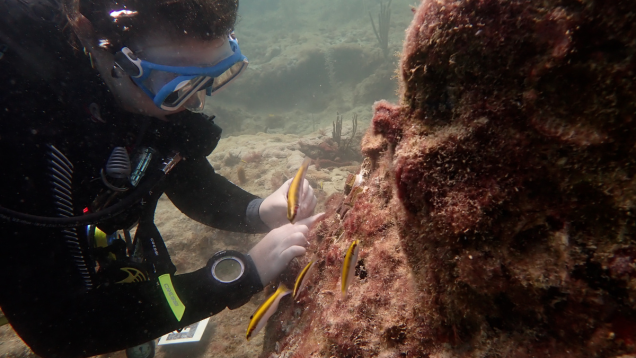
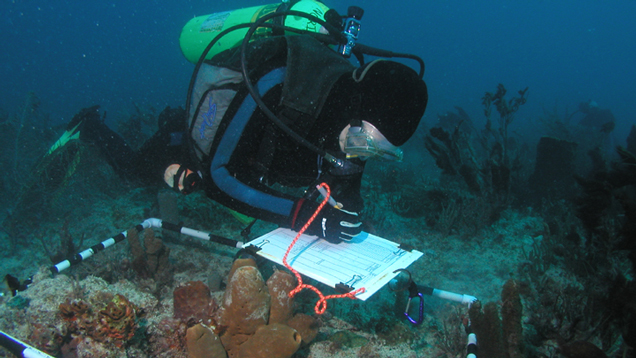
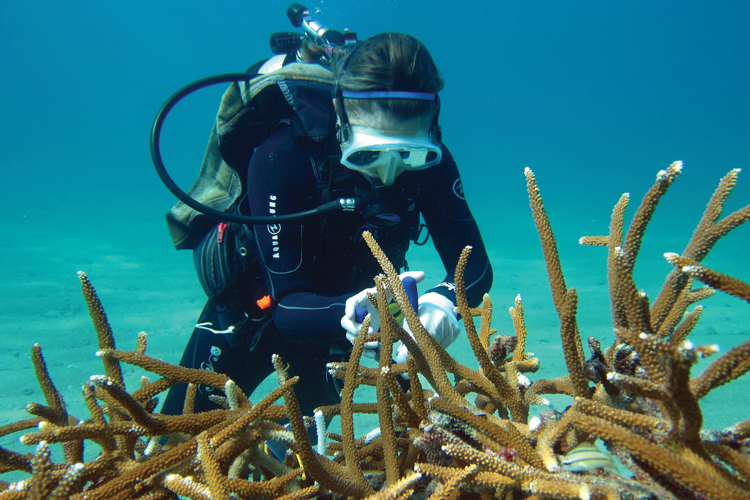
Gilliam diving on deep sea doing coral fieldwork

NCRI Research

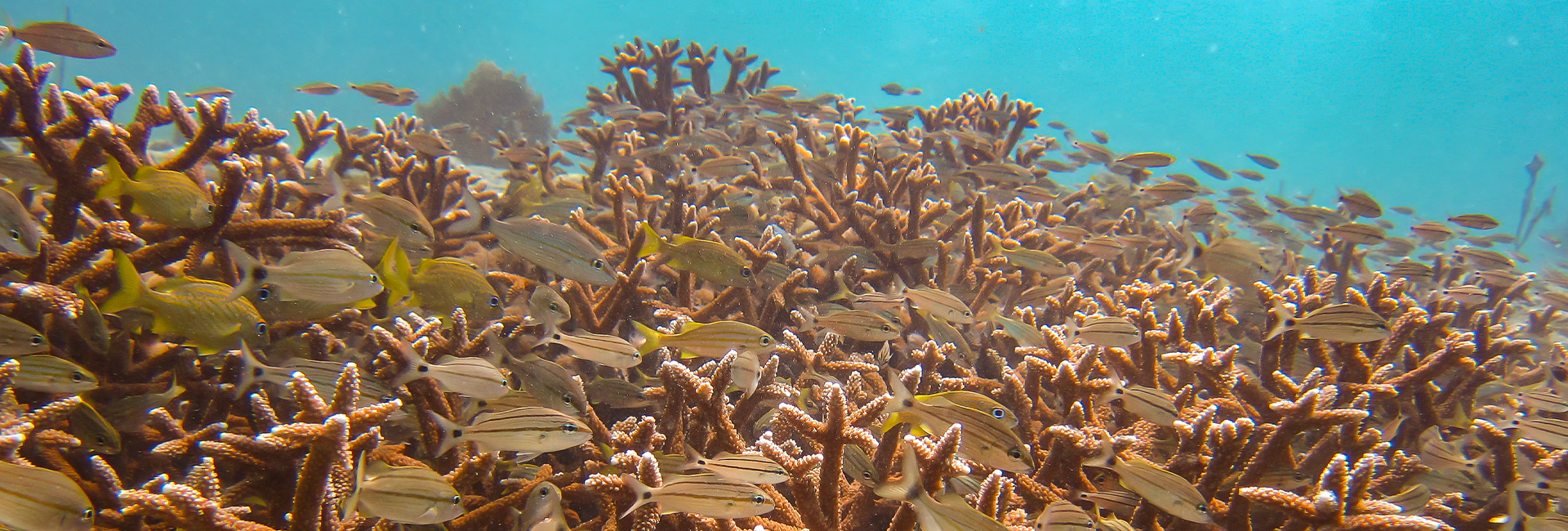
Coral reefs are among the largest, most beautiful living structures on Earth. These diverse ecosystems support a vast array of organisms that depend on coral reefs for habitat, food and shelter. They provide physical barriers to coastal erosion and protection from storm waves and tsunamis. Reefs are also an important economic resource as well as homes for commercially and recreationally important species of fish and a recreational locale for diving and tourism activities.

NCRI aims to conserve and restore the condition of coral reef ecosystems challenged by natural and human-accelerated changes. NCRI does this by conducting research that supports science-based management, sustainable use of coral reef ecosystems, and innovative solutions that benefit local communities and the nation.

The Dynamics of Modern Reefs

Developed in 2025, NCRI operates under a Science Plan that serves as a guiding framework for NCRI’s research initiatives. Drawing on the diverse expertise of NCRI’s coral reef scientists and partners, the plan outlines a unified theme - Dynamics of Modern Reefs - and defines the key scientific questions that shape NCRI’s research.

NCRI scientists work to understand how shifts in community composition have altered coral reef ecosystems and the resulting changes to ecological function, services, stability, and persistence. Coral reefs worldwide are undergoing unprecedented reconfiguration driven by local and global stressors, threatening critical ecosystem services relied upon by hundreds of millions of people. Despite the severity of these impacts, the dynamics of these modern reefs remain poorly understood. By working to understand these patterns and their cascading effects, NCRI supports effective conservation, management, and restoration strategies.


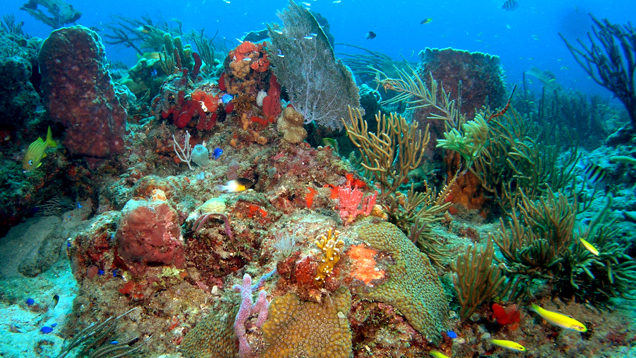
Colorful Florida coral reef

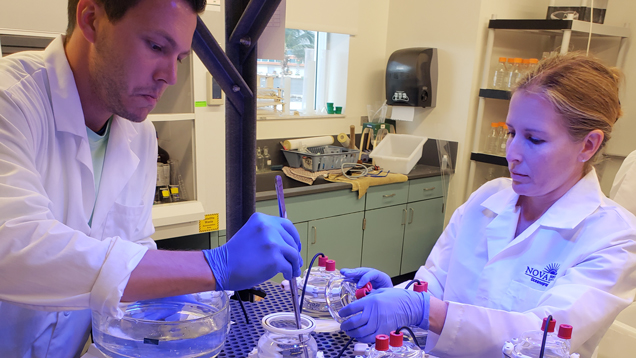
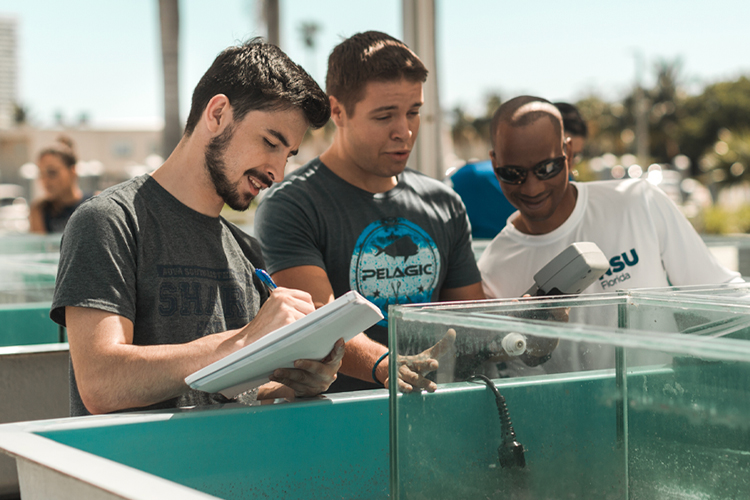
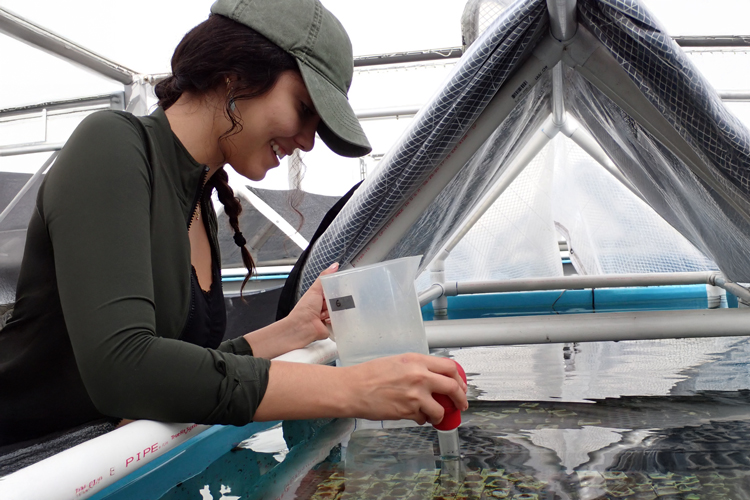
Coral reef scientists working on lab

Supporting Natural Resource Management

NCRI's management-oriented research is designed to provide solid information and research products designed to help understand, manage and conserve coral reef ecosystems for generations to come. In addition to research, NCRI strengthens natural resource management through capacity-building initiatives like the Susan L. Williams National Coral Reef Management Fellowship Program and by providing coordination and facilitation services that help bridge the gap between science and decision-making.


Susan L. Williams National Coral Reef Management Fellowship

NCRI has coordinated the Susan L. Williams National Coral Reef Management Fellowship for ten years, a partnership between NCRI, NOAA’s Coral Reef Conservation Program, the U.S. Department of Interior Office of Insular Affairs, and the U.S. Coral Reef All Islands Committee. 

The program recruits Coral Reef Management Fellows for the seven U.S. coral reef jurisdictions to address current capacity gaps and to build longer-term capacity in these locations. This is done by placing highly qualified individuals whose education and work experience meet each jurisdiction’s specific coral reef management needs. The program’s goal is to develop a thriving collaborative fellowship program that builds excellent next-generation leaders and capacity for effective local coral reef ecosystem management.

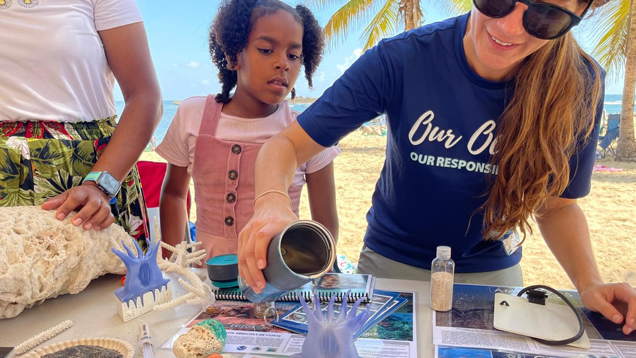
Working on coral learning experiment with kids

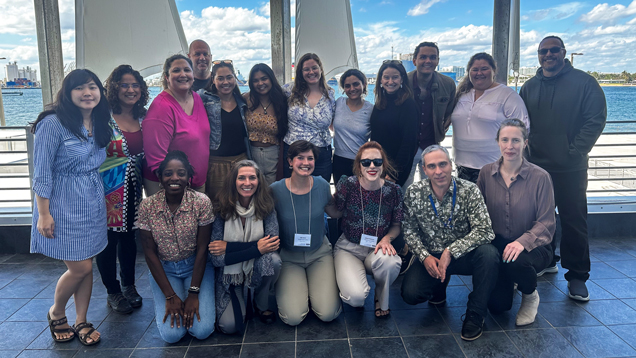
Fellowship team group photo

This collaboration and commitment to the next generation is exemplified through the success of the Fellowship, with 85% of the Coral Fellows remaining in management or research fields upon completion of the Fellowship.

Learn More and Apply for the Fellowship


Related Degrees


Filter By:
 

All

Biological Sciences (M.S.) – Research Concentration

Biological Sciences (M.S.) – Research Concentration

This M.S. with a concentration in research gives you the opportunity to pursue your research interests in a specific aspect of genomics, microbiology, evolution, ecology, parasitology, molecular biology or bioinformatics. As a graduate of this program, you can enter a multitude of careers in any field of biology or continue your educational journey in a Ph.D. or professional medical program. In your research, you’ll tackle significant questions in biology and gain a superior understanding of the scientific method, applying it to your specific research goals and projects.

Begin Your Inquiry
Biology (B.S.)

Biology (B.S.)

Prepare for a career in research, education or medicine. Apply your skills through shadowing opportunities in local hospitals, internships and hands-on, original research in subjects like Gulf Stream ecology, brain structure and function, the human microbiome or shark genetics.

Immerse Yourself
Chemistry (B.S.)

Chemistry (B.S.)

Forge a path in industry, education and government – or through graduate degrees in chemistry, medicine, pharmacy, dentistry, optometry, anesthesiology, environmental protection, law, forensic sciences and nutrition. The exceptional lab facilities and faculty at NSU put the future in your hands.

Begin Your Study
Environmental Science (B.S.)

Environmental Science (B.S.)

A changing environment needs highly educated people who can address both scientific and societal challenges. Core courses ground you in ecology, chemistry and environmental law. Electives, field studies and internships expand your horizons. This degree opens doors to technical fields, graduate study, policy and service jobs.

Discover Sustainability
Environmental Science (M.P.S.)

Environmental Science (M.P.S.)

In the Master of Professional Science in environmental sciences program, you have the choice to specialize in marine biology, coastal zone management, computational molecular biology or environmental sciences. This program is unique in providing basic applied marine and environmental science as its anchor. This program is an excellent choice for any recent graduate or returning professional who requires additional expertise or credentials for career advancement.

Evaluate Your Options
Marine Biology (B.S.)

Marine Biology (B.S.)

The future of our oceans demands a new generation of scientific leaders. Your dedication to the marine environment will put you ahead of the competition in graduate studies in biology, medicine or environmental sciences. It starts with a firm grounding in ecosystems, laboratory techniques and ecology gained as you explore the physical sciences and discover the intricacies of the marine world.

Take a Deeper Dive
Marine Science (M.S.)

Marine Science (M.S.)

What better place to advance your education in marine science than at a university with an entire campus and marina devoted to the field? Dive into your study of marine systems with a wide variety of special topics, including everything from shark research to coral reef conservation. As a graduate of the marine sciences master’s programs, you’ll be prepared for advanced roles in education, nonprofit organizations, government agencies and more.

Immerse Yourself
Oceanography/Marine Biology (Ph.D.)

Oceanography/Marine Biology (Ph.D.)

As an oceanography/marine biology student, you will work directly with a major professor. Your faculty research mentor will help you develop your academic program of study and your research. This degree focuses on cultivating your ability to conduct advanced, original and independent research that adds to the body of oceanographic knowledge in one or more of the sub-discipline areas.

Dive In

Contact NCRI

National Coral Reef Institute (NCRI)
Nova Southeastern University

8000 North Ocean Drive
Dania Beach, FL 33004

(954) 262-3504
NCRI@nova.edu